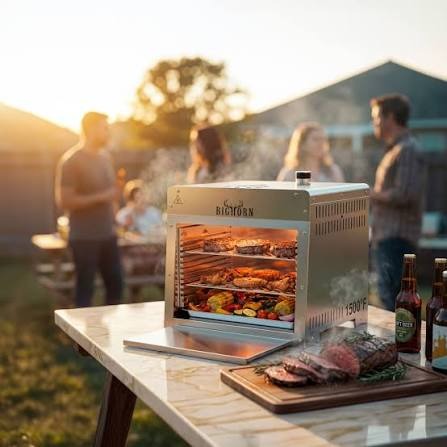
What to Look for in a Portable Infrared Propane Gas Grill
Portable outdoor cooking equipment can make it easier to prepare meals in different settings. Whether you are planning a backyard gathering, traveling, or looking for a compact grill for a designated outdoor cooking area, portability can be an important feature.
A portable infrared propane gas grill combines a compact cooking concept with an infrared heating system and propane fuel. However, not every appliance is suitable for every user or location. Before choosing one, it is important to understand its fuel requirements, cooking capacity, dimensions, and safety instructions.
Understand the Main Features
A portable infrared propane gas grill brings together three important characteristics.
First, it is designed to be portable, meaning its dimensions or construction may make it easier to move or store than a larger fixed grill. Second, it operates using propane gas, which requires a compatible fuel supply and connection system. Third, it uses infrared heating technology as part of its cooking design.
These features can appeal to people who want a specialized outdoor grill without installing a large permanent cooking station. However, the actual experience depends on the appliance’s design and specifications.
Consider Where You Plan to Use It
Before purchasing a portable grill, identify the location where you expect to cook. A backyard, patio, campsite, or other outdoor area may have different space and safety requirements.
Check whether the appliance is approved for your intended location. Portable does not automatically mean suitable for every environment. Some grills require specific clearances, stable surfaces, and outdoor ventilation.
Never use an outdoor-only propane grill inside a home, garage, tent, vehicle, or enclosed space. Fuel-burning appliances can produce carbon monoxide, which is dangerous and cannot be detected by smell.
Make sure the cooking area is away from combustible materials and that children and pets can remain at a safe distance.
Check Propane Compatibility
Fuel compatibility is one of the most important details to verify. Read the manufacturer’s specifications to identify the approved propane supply, connection type, regulator, and any required accessories.
Do not assume that all propane grills use identical fittings or containers. Using an incompatible connection or attempting to modify the system can create serious risks.
Inspect hoses and connections according to the manufacturer’s instructions. If you smell gas or suspect a leak, stop using the appliance, turn off the supply if it is safe, keep away from ignition sources, and follow the manufacturer’s emergency guidance.
It is also useful to consider the availability and storage requirements of the approved propane supply. Plan how you will transport and store fuel safely before taking the grill on a trip.
Understand Infrared Heating
Infrared grills use radiant heat as part of their cooking process. This differs from appliances that rely primarily on conventional hot-air movement.
Infrared technology is often associated with high-heat cooking applications. It can be particularly interesting for people who enjoy preparing steaks and other foods using a specialized grilling method.
However, cooking performance depends on the full appliance design, not just the presence of infrared technology. Review the manufacturer’s instructions about preheating, temperature control, cooking positions, and suitable foods.
Do not assume that every infrared grill produces identical results. Compare the product specifications and understand the intended operating method before making a decision.
Evaluate Cooking Capacity
Portable grills are designed with space considerations in mind, so their cooking surfaces may be smaller than those of larger outdoor appliances.
Think about how many people you normally cook for. If you usually prepare food for one or two people, a compact cooking area may be sufficient. If you frequently host gatherings, you may need to prepare food in several batches or consider a larger appliance.
Check the actual cooking surface dimensions rather than relying only on the overall product size. Also review the manufacturer’s recommendations about suitable cookware or food placement.
A well-sized appliance should match your regular cooking needs without becoming difficult to transport or store.
Review Portability and Construction
Portability depends on more than the word “portable” in a product title. Consider the grill’s weight, dimensions, handles, and overall construction.
If you plan to transport it frequently, check whether the design provides practical carrying or storage features. Make sure the grill can be moved safely according to the manufacturer’s instructions.
Construction materials and build quality are also worth reviewing. Outdoor equipment can be exposed to changing temperatures, dust, moisture, and regular handling. Read the care instructions to understand how the appliance should be protected when not in use.
Never move a hot or operating grill. Turn it off, disconnect the fuel supply as instructed, and allow it to cool completely before transportation or storage.
Learn About Temperature Management
Different foods require different cooking approaches. Steak, chicken, seafood, and vegetables may all need different preparation and cooking conditions.
Review the manufacturer’s guidance about controlling heat and preheating the appliance. If temperature indicators or controls are included, understand how they are intended to be used.
A food thermometer can be helpful when preparing meat, particularly poultry, because appearance alone is not a reliable way to confirm safe internal temperatures.
Avoid leaving food unattended on a hot grill. Keep appropriate tools nearby and use heat-resistant gloves when handling components that the manufacturer identifies as hot.
Cleaning and Maintenance
Regular cleaning can help keep a portable grill ready for future use. Food residue and grease should be removed according to the manufacturer’s recommended process.
Allow the appliance to cool completely before cleaning. Do not use unsuitable chemicals or abrasive tools that could damage the cooking surface or other components.
Inspect accessible gas connections and hoses as recommended. Check for signs of wear, damage, or unusual operation. If you suspect a gas leak or a faulty component, stop using the grill and arrange an appropriate inspection.
Store the appliance in a dry, protected location when it is not being used. Follow the manufacturer’s advice about covering the grill and storing its accessories.
Review the Product Specifications Carefully
A product’s full specifications can tell you whether it matches your needs. Look at its dimensions, weight, fuel requirements, connection system, cooking surface, operating instructions, and maintenance guidance.
For details about a portable infrared broiler propane gas grill, review the manufacturer’s product information and confirm that its requirements suit your intended cooking location.
Do not base a purchase entirely on a headline temperature or a product photograph. Consider the complete appliance and the practical requirements involved in operating it safely.
Explore More Outdoor Cooking Options
A portable grill can be useful, but it may not be the only appliance worth considering. Depending on your cooking preferences, you may also want to compare traditional grills, griddles, camping stoves, or pizza ovens.
For additional equipment and outdoor cooking ideas, visit Big Horn Outdoors. Reviewing different products can help you find an option that suits your available space and preferred cooking style.
Conclusion
A portable infrared propane gas grill may be a practical choice for people who want specialized outdoor cooking equipment in a compact format. The right model depends on fuel compatibility, cooking capacity, portability, construction, and operating requirements.
Always follow the manufacturer’s safety instructions and use propane equipment only in an approved outdoor location. By comparing the specifications carefully, you can make a more informed decision and choose equipment that supports your outdoor cooking needs.