Landscaping Tips That Boost Your Home’s Appearance
Your home’s exterior is the first thing people notice, making landscaping one of the most effective ways to improve its overall appearance. A well-designed yard not only creates a welcoming atmosphere but also increases property value and makes outdoor spaces more enjoyable. Whether you own a large backyard or a small front lawn, thoughtful landscaping can transform your property without requiring an enormous budget.
The best landscaping projects combine beauty, functionality, and easy maintenance. From selecting the right plants to creating inviting walkways, small improvements can make a dramatic difference. This guide explores practical landscaping tips that will help boost your home’s appearance while creating an outdoor space you’ll love throughout the year.
Start with a Clear Landscaping Plan
Before purchasing plants or digging into the yard, take time to develop a landscaping plan. A well-planned design helps avoid costly mistakes and ensures every feature complements your home’s architecture.
Walk around your property and identify areas that need improvement. Consider sunlight, drainage, existing trees, and available space. Decide whether you want a modern, traditional, cottage, or minimalist landscape design.
Sketch a simple layout showing flower beds, pathways, patios, trees, and shrubs. Even a basic plan makes it easier to stay organized and prioritize projects based on your budget.
Improve Your Lawn
A healthy green lawn instantly improves curb appeal. Regular maintenance keeps grass looking lush and attractive throughout the growing season.
Essential lawn care includes:
- Mowing at the proper height
- Watering deeply rather than frequently
- Fertilizing seasonally
- Removing weeds before they spread
- Aerating compacted soil
- Overseeding thin patches
Healthy grass creates the perfect foundation for the rest of your landscaping.
Create Defined Garden Beds
Well-defined flower beds give your yard a polished and organized appearance. Use edging materials like brick, stone, metal, or decorative concrete to separate garden beds from lawns.
Defined borders provide several benefits:
- Cleaner appearance
- Easier mowing
- Better weed control
- Improved soil retention
- Enhanced landscape design
Curved garden beds often create a softer, more natural appearance than straight lines.
Choose Plants That Thrive Locally
Selecting plants suited to your local climate makes maintenance easier and ensures healthier growth.
Look for plants that are:
- Drought tolerant
- Disease resistant
- Native to your region
- Easy to maintain
- Attractive throughout multiple seasons
Native plants usually require less watering, fertilizer, and pest control while supporting local wildlife.
Layer Plants for Visual Interest
Professional landscapes often use layering to create depth.
Arrange plants according to their mature height:
- Tall trees in the back
- Medium shrubs in the middle
- Small bushes and flowers in front
- Ground covers along edges
This layered approach creates a balanced and visually appealing landscape from every angle.
Add Color Throughout the Year
Many homeowners focus only on spring flowers, but a beautiful landscape should offer year-round interest.
Consider combining:
- Spring bulbs
- Summer annuals
- Flowering shrubs
- Autumn foliage
- Evergreen plants
- Decorative grasses
- Winter berries
Seasonal variety keeps your yard attractive regardless of the time of year.
Install Attractive Walkways
Walkways improve both functionality and appearance. They guide visitors through the landscape while protecting grass from heavy foot traffic.
Popular walkway materials include:
- Natural stone
- Brick
- Concrete pavers
- Gravel
- Stamped concrete
Curved pathways often create a more inviting look than perfectly straight ones.
Use Mulch Properly
Fresh mulch instantly makes landscaping look neat and professionally maintained.
Benefits of mulch include:
- Retains moisture
- Reduces weeds
- Regulates soil temperature
- Prevents erosion
- Improves plant health
- Adds visual contrast
Organic mulch such as bark, wood chips, or shredded leaves gradually improves soil quality as it decomposes.
Plant Shade Trees
Trees are one of the best long-term landscaping investments.
Benefits include:
- Increased property value
- Reduced cooling costs
- Improved air quality
- Privacy
- Wildlife habitat
- Beautiful seasonal color
Choose species appropriate for your yard size and avoid planting large trees too close to your home’s foundation.
Incorporate Evergreens
Evergreen shrubs and trees provide structure throughout the year.
Popular uses include:
- Privacy screening
- Wind protection
- Foundation planting
- Entryway accents
- Year-round greenery
Mix different textures and shades of green for a more natural appearance.
Add Outdoor Lighting
Landscape lighting extends the usability of outdoor spaces while highlighting your home’s best features.
Install lighting around:
- Walkways
- Driveways
- Trees
- Flower beds
- Patios
- Steps
- Water features
LED lighting offers excellent energy efficiency and long-lasting performance.
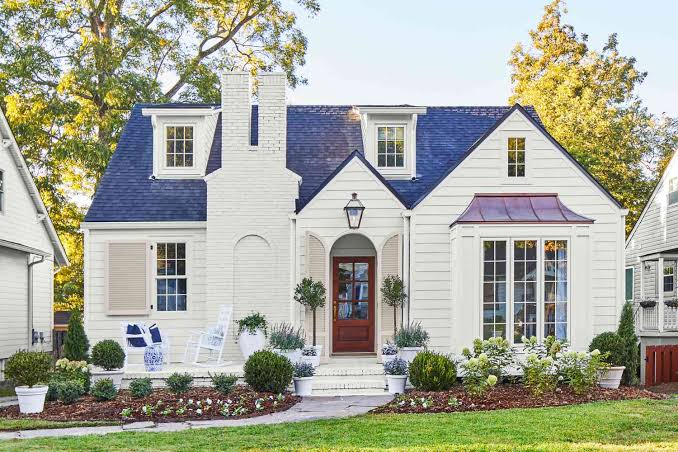
Upgrade Your Front Entrance
The entrance should serve as the focal point of your front yard.
Simple improvements include:
- Decorative planters
- Fresh flowers
- New house numbers
- Updated mailbox
- Clean walkway
- Fresh mulch
- Attractive lighting
A welcoming entrance creates a strong first impression.
Build Functional Outdoor Living Areas
Modern landscaping extends beyond plants. Outdoor living spaces increase comfort and add value.
Consider adding:
- Patio
- Deck
- Pergola
- Fire pit
- Outdoor kitchen
- Seating area
- Dining space
Comfortable outdoor spaces encourage family gatherings and entertaining.
Install Water Features
Water features create a relaxing atmosphere while becoming eye-catching focal points.
Popular options include:
- Fountains
- Small ponds
- Waterfalls
- Bubbling rocks
- Birdbaths
Even compact yards can accommodate small water features that add charm without overwhelming the landscape.
Keep Landscaping Balanced
Avoid placing every decorative element on one side of the yard.
Balance can be achieved by distributing:
- Trees
- Shrubs
- Flower beds
- Decorative rocks
- Garden ornaments
- Seating areas
Balanced landscaping creates harmony and improves visual appeal.
Use Decorative Stone
Landscape stone provides texture and reduces maintenance.
Common applications include:
- Garden borders
- Dry creek beds
- Rock gardens
- Mulch replacement
- Accent areas
Combining stone with plants creates an attractive contrast that lasts for years.
Add Vertical Elements
Vertical landscaping makes outdoor spaces appear larger and more dynamic.
Ideas include:
- Trellises
- Arbors
- Climbing roses
- Ivy
- Decorative screens
- Vertical gardens
Vertical features also add privacy without taking up much ground space.
Keep Shrubs Properly Trimmed
Overgrown shrubs can make an otherwise attractive home appear neglected.
Prune regularly to:
- Maintain natural shape
- Remove dead branches
- Improve air circulation
- Encourage healthy growth
- Prevent blocking windows
Avoid excessive trimming that creates unnatural shapes unless desired for formal gardens.
Use Containers for Flexibility
Container gardening allows you to change your landscape easily throughout the seasons.
Containers work well for:
- Front porches
- Patios
- Decks
- Entryways
- Balconies
Mix flowers, ornamental grasses, herbs, and small shrubs for colorful displays.
Create Privacy Naturally
Natural privacy screens often look more attractive than traditional fencing.
Plant combinations may include:
- Evergreen hedges
- Bamboo (non-invasive varieties)
- Tall ornamental grasses
- Flowering shrubs
- Trees
Layering different plants creates a softer, more natural barrier.
Manage Drainage Problems
Standing water damages lawns and plants while creating muddy areas.
Improve drainage by:
- Installing French drains
- Creating rain gardens
- Adding dry creek beds
- Adjusting grading
- Using permeable pavers
Proper drainage protects both your landscape and your home’s foundation.
Attract Birds and Pollinators
A lively landscape filled with birds and butterflies feels more inviting.
Plant nectar-rich flowers and provide:
- Bird feeders
- Bird baths
- Native flowers
- Flowering shrubs
- Pollinator gardens
Supporting local wildlife also benefits the environment.
Minimize Yard Clutter
Too many decorations can overwhelm a landscape.
Limit:
- Garden statues
- Decorative signs
- Lawn ornaments
- Excessive planters
Instead, choose a few high-quality focal points that complement your overall design.
Maintain Your Landscape Regularly
Even the best landscape requires consistent care.
Weekly maintenance includes:
- Pulling weeds
- Trimming plants
- Watering
- Cleaning walkways
- Removing fallen leaves
- Inspecting irrigation systems
Regular upkeep prevents small problems from becoming expensive repairs.
Use Sustainable Landscaping Practices
Eco-friendly landscaping saves money while protecting natural resources.
Sustainable practices include:
- Rainwater collection
- Composting yard waste
- Native planting
- Drip irrigation
- Organic fertilizers
- Reduced chemical use
Environmentally responsible landscaping often requires less maintenance over time.
Increase Property Value with Smart Landscaping
Studies consistently show that quality landscaping can significantly improve property value. Buyers are naturally drawn to homes with attractive outdoor spaces because they create a positive first impression.
High-value improvements include:
- Healthy lawns
- Mature trees
- Stone walkways
- Outdoor lighting
- Flower beds
- Functional patios
- Privacy landscaping
Investing in landscaping often delivers one of the highest returns among home improvement projects.
Avoid Common Landscaping Mistakes
Many homeowners unintentionally reduce curb appeal by making avoidable errors.
Common mistakes include:
- Planting trees too close to buildings
- Choosing high-maintenance plants
- Overwatering lawns
- Ignoring soil quality
- Crowding flower beds
- Using too many decorative features
- Neglecting seasonal maintenance
Planning carefully helps prevent these issues and keeps your landscape looking its best.
Conclusion
Landscaping is one of the most rewarding ways to improve your home’s appearance while creating a more enjoyable outdoor environment. From maintaining a healthy lawn and planting colorful gardens to installing walkways, lighting, and outdoor living spaces, each improvement contributes to a beautiful and welcoming property.
The key to successful landscaping is balancing beauty with practicality. Choose plants that thrive in your climate, maintain your yard regularly, and invest in features that enhance both function and visual appeal. Whether you’re making a few simple upgrades or completely redesigning your outdoor space, thoughtful landscaping can dramatically boost curb appeal, increase property value, and provide years of enjoyment for your family and guests.