Best Paint Colors to Refresh Your Home
A fresh coat of paint is one of the easiest and most affordable ways to transform your home. Whether you want to brighten a small room, create a relaxing atmosphere, or give your home a modern update, choosing the right paint color can make a dramatic difference. Unlike expensive renovations, painting offers instant results while allowing you to express your personal style.
The colors you choose influence how a room feels, how large it appears, and even how comfortable people feel when spending time there. Warm colors create welcoming spaces, while cool shades encourage relaxation. Neutral tones provide flexibility, making it easy to update furniture and décor without repainting.
In this comprehensive guide, you’ll discover the best paint colors for every room, learn how colors affect mood, avoid common painting mistakes, and find expert tips to achieve professional-looking results.
Why Paint Is the Best Home Upgrade
Painting is often considered the highest-value home improvement project because it delivers impressive results without requiring a huge investment. Whether you’re preparing your house for sale or simply refreshing your living space, paint offers countless benefits.
Some major advantages include:
- Improves the overall appearance of your home
- Makes rooms feel larger or cozier
- Covers stains, scratches, and wear
- Protects walls from moisture and damage
- Increases property appeal
- Allows you to personalize every room
- Gives old furniture and cabinets a new life
With the right color choices, even an older home can feel fresh, modern, and inviting.
Understanding Color Psychology
Before selecting paint, it’s helpful to understand how different colors affect emotions and perception.
White
White symbolizes cleanliness and simplicity. It reflects light, making rooms appear brighter and larger. White is ideal for small rooms, ceilings, kitchens, and minimalist interiors.
Gray
Gray remains one of the most versatile modern paint colors. Light gray creates a sophisticated appearance, while darker shades add elegance and depth.
Beige
Beige offers warmth without overwhelming a room. It’s an excellent neutral that complements almost every decorating style.
Blue
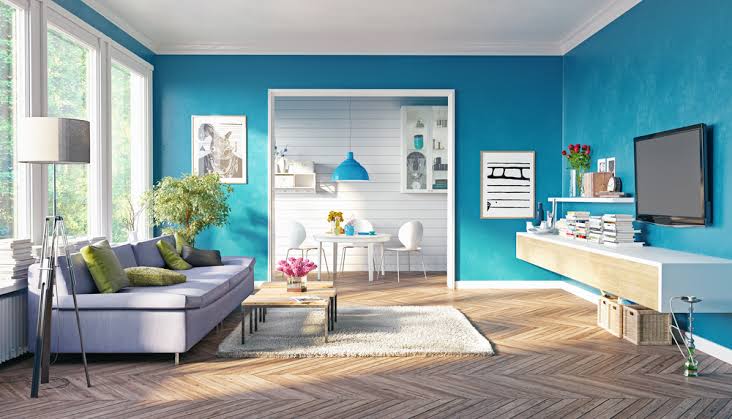
Blue promotes calmness and relaxation. It’s commonly used in bedrooms, bathrooms, and home offices because it reduces visual stress.
Green
Green connects indoor spaces with nature. Soft sage and olive greens create peaceful environments while maintaining a contemporary look.
Yellow
Yellow introduces energy and optimism. Soft buttery yellows brighten kitchens and breakfast areas without feeling overpowering.
Earth Tones
Warm browns, terracotta, sand, and clay shades create comfortable living spaces inspired by natural landscapes.
Trending Paint Colors for Modern Homes
Homeowners continue to embrace colors that balance comfort with timeless appeal.
Warm White
Instead of stark white, warm whites have become increasingly popular. They create soft, inviting interiors that pair beautifully with wood furniture and natural textures.
Greige
Greige combines gray and beige, offering warmth and sophistication. It works well in nearly every room and complements both traditional and modern décor.
Sage Green
Sage green has become a favorite because it brings nature indoors without overwhelming a room. It pairs wonderfully with white trim and wooden furniture.
Dusty Blue
Muted blue shades create peaceful interiors that never feel too bold. They’re excellent for bedrooms and bathrooms.
Charcoal Gray
Charcoal adds drama while remaining elegant. It works especially well as an accent wall or in dining rooms.
Soft Taupe
Taupe creates warmth while remaining neutral enough for changing furniture styles over time.
Best Paint Colors for the Living Room
The living room is often the heart of the home, making color selection especially important.
Popular choices include:
Warm Beige
Creates a welcoming atmosphere while complementing almost every furniture style.
Light Gray
Offers a clean, contemporary appearance without feeling cold.
Soft Green
Introduces a calming natural feel perfect for relaxing evenings.
Cream
Adds brightness while maintaining warmth.
Muted Blue
Provides a peaceful environment suitable for family gatherings.
If your living room receives limited natural light, lighter shades help maximize brightness.
Ideal Colors for Bedrooms
Bedrooms should encourage rest and comfort.
Some excellent options include:
Soft Blue
Creates a relaxing retreat after a busy day.
Lavender
Adds subtle elegance while promoting relaxation.
Warm Gray
Offers a modern appearance without feeling harsh.
Sage Green
Brings natural tranquility into the room.
Light Beige
Creates warmth and comfort throughout the space.
Avoid extremely bright reds, oranges, or vibrant yellows if restful sleep is your priority.
Kitchen Paint Ideas
The kitchen is one of the busiest rooms in any home, making it an ideal place for cheerful colors.
Popular kitchen colors include:
- Crisp white
- Soft cream
- Light gray
- Pale green
- Sky blue
- Warm yellow
White cabinets paired with colorful walls create timeless appeal, while darker cabinets often pair beautifully with light neutral walls.
Bathroom Paint Colors
Bathrooms benefit from colors that create freshness and cleanliness.
Excellent choices include:
- Soft aqua
- Pale blue
- Cool gray
- White
- Sage green
- Light mint
Moisture-resistant paint should always be used in bathrooms to ensure long-lasting durability.
Dining Room Colors
Dining rooms often benefit from richer colors that create warmth and conversation.
Popular options include:
- Deep navy
- Olive green
- Warm terracotta
- Rich burgundy
- Dark gray
- Cream
These colors create elegant dining experiences while remaining inviting.
Home Office Paint Colors
Working from home requires an environment that supports productivity.
Good choices include:
Soft blue encourages focus.
Muted green reduces eye strain.
Light gray creates a professional atmosphere.
Warm white keeps the room bright throughout the day.
Avoid overly stimulating colors that may become distracting during long work sessions.
Kids’ Room Paint Ideas
Children’s rooms should balance creativity with comfort.
Consider:
- Sky blue
- Mint green
- Light lavender
- Peach
- Soft yellow
- Pale coral
Rather than using extremely bright colors throughout the room, consider colorful accessories combined with neutral walls.
Best Neutral Paint Colors
Neutral colors remain popular because they adapt easily to changing furniture and decorating styles.
Top neutral choices include:
- Warm white
- Cream
- Beige
- Greige
- Taupe
- Light gray
These shades create timeless interiors that rarely go out of style.
Bold Accent Wall Colors
Accent walls add personality without overwhelming an entire room.
Excellent accent colors include:
- Forest green
- Navy blue
- Charcoal
- Deep teal
- Chocolate brown
- Matte black
Choose the wall that naturally draws attention, such as behind a bed or fireplace.
Matching Paint with Lighting
Lighting dramatically affects paint appearance.
Natural Light
Colors appear brighter and more accurate during the day.
North-Facing Rooms
These spaces receive cooler light, making warm paint colors more inviting.
South-Facing Rooms
Abundant sunlight enhances warm colors and softens cool shades.
Artificial Lighting
LED bulbs may change how paint appears at night, so always test samples before making a final decision.
Choosing the Right Paint Finish
Paint finish is nearly as important as color.
Flat Finish
Ideal for ceilings and low-traffic areas because it hides imperfections.
Eggshell
Offers a soft appearance suitable for living rooms and bedrooms.
Satin
Durable enough for hallways, kitchens, and children’s rooms.
Semi-Gloss
Excellent for trim, doors, and cabinets due to easy cleaning.
Gloss
Highly reflective and durable, perfect for decorative details.
Tips for Selecting the Perfect Paint
Before purchasing gallons of paint, follow these practical guidelines.
Always test samples on your wall.
Observe colors during different times of day.
Coordinate wall colors with flooring and furniture.
Consider the size of the room.
Choose timeless colors for large spaces.
Use bold shades for smaller accents.
Purchase quality paint for better coverage and durability.
Common Painting Mistakes
Many homeowners rush into painting without proper preparation.
Avoid these mistakes:
Skipping wall cleaning
Ignoring primer
Buying insufficient paint
Choosing colors from tiny sample cards
Painting under poor lighting
Using cheap brushes and rollers
Failing to protect furniture and flooring
Taking time to prepare properly results in smoother, longer-lasting finishes.
Budget-Friendly Painting Tips
Refreshing your home doesn’t have to cost a fortune.
Save money by:
- Painting one room at a time
- Shopping during paint sales
- Using high-quality brushes that last longer
- Preparing surfaces yourself
- Choosing premium paint that requires fewer coats
- Repainting cabinets instead of replacing them
Small investments in preparation often reduce overall project costs.
Coordinating Colors Throughout Your Home
Instead of selecting completely different colors for every room, create a consistent palette.
Choose one primary neutral color and complement it with two or three accent shades. This creates a smooth visual flow while allowing each room to maintain its own personality.
For example:
- Living room: Warm beige
- Kitchen: Soft white
- Bedroom: Sage green
- Bathroom: Pale blue
- Home office: Light gray
The result is a cohesive home that feels professionally designed.
Maintaining Freshly Painted Walls
Once you’ve completed your painting project, proper maintenance helps preserve the finish.
Dust walls regularly using a microfiber cloth.
Clean stains gently with mild soap and water.
Repair chips as soon as they appear.
Keep leftover paint for future touch-ups.
Avoid excessive moisture in poorly ventilated rooms.
These simple habits can keep painted surfaces looking fresh for years.
Final Thoughts
Refreshing your home with new paint is one of the smartest improvements you can make. The right colors have the power to brighten dark spaces, make small rooms feel larger, improve your home’s value, and create an environment that reflects your personality.
Whether you prefer timeless neutrals, calming blues, earthy greens, or bold accent walls, thoughtful color selection can completely transform every room without the expense of a major renovation. Take your time testing colors, prepare surfaces properly, and invest in quality materials to achieve beautiful, long-lasting results.
A well-painted home doesn’t just look better—it feels more comfortable, welcoming, and enjoyable every single day. With careful planning and the right palette, you can create living spaces that remain stylish, functional, and inviting for years to come.